Experiments
-
Psychologist Allan Paivio’s dual-coding theory showed that when words are paired with images, the brain creates a “redundant trace,” or more simply, two routes back to the same memory. It’s why you remember a sentence more easily if it arrives with a picture, a sound, or even a place.
My Nuerodíc (e.g. AuDhD) mind couldn’t store language simply because it was handed over. It needed texture. A reason. An image so strange it refused to leave. What I needed was for language to feel like stepping into a Louise Bourgeois Cell: a self-contained world humming with memory, something you enter, not something you memorize.
So I wondered: could I build that?
-
Jung believed the unconscious speaks in symbols for a reason. Not to obscure truth, but to render it tolerable. He wrote that if the psyche delivered its insights directly, the ego would reject them. So it disguises urgency as absurdity—the truth sideways, in images strange enough to bypass our defenses.
“The dream is a spontaneous self-portrayal, in symbolic form, of the actual situation in the unconscious,” Jung wrote, “they show us the unvarnished, natural truth.”
This was not a performance of introspection. It was a question: could artificial intelligence, trained on psychology, archetype, and symbolic theory, reflect something real back to me? Could a system without instinct—one that doesn’t dream, doesn’t dissociate, doesn’t remember childhood—help me recognize something about my own?
The experiment: A year-long practice of feeding my dreams to an artificial mind and finding, in return, a path into my subconscious that often described my waking life more clearly than I could.
Substack article -
Last month my team launched what the press called, “the biggest redesign of Google Maps in a decade.” I’d spent years on this work and everyone wanted to know,
My last day at Google was Friday May 1.
The work wasn’t done, it never is, but the next thing rarely arrives until you’ve made room for it.
Read more
-

Growing Ecosystems, Not Empires.
-
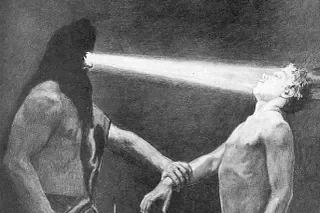
Letters From the Unconscious.
-

Empathy Is Dead, Long Live Empathy.
-
Orientation in a Shifting Machine.
-
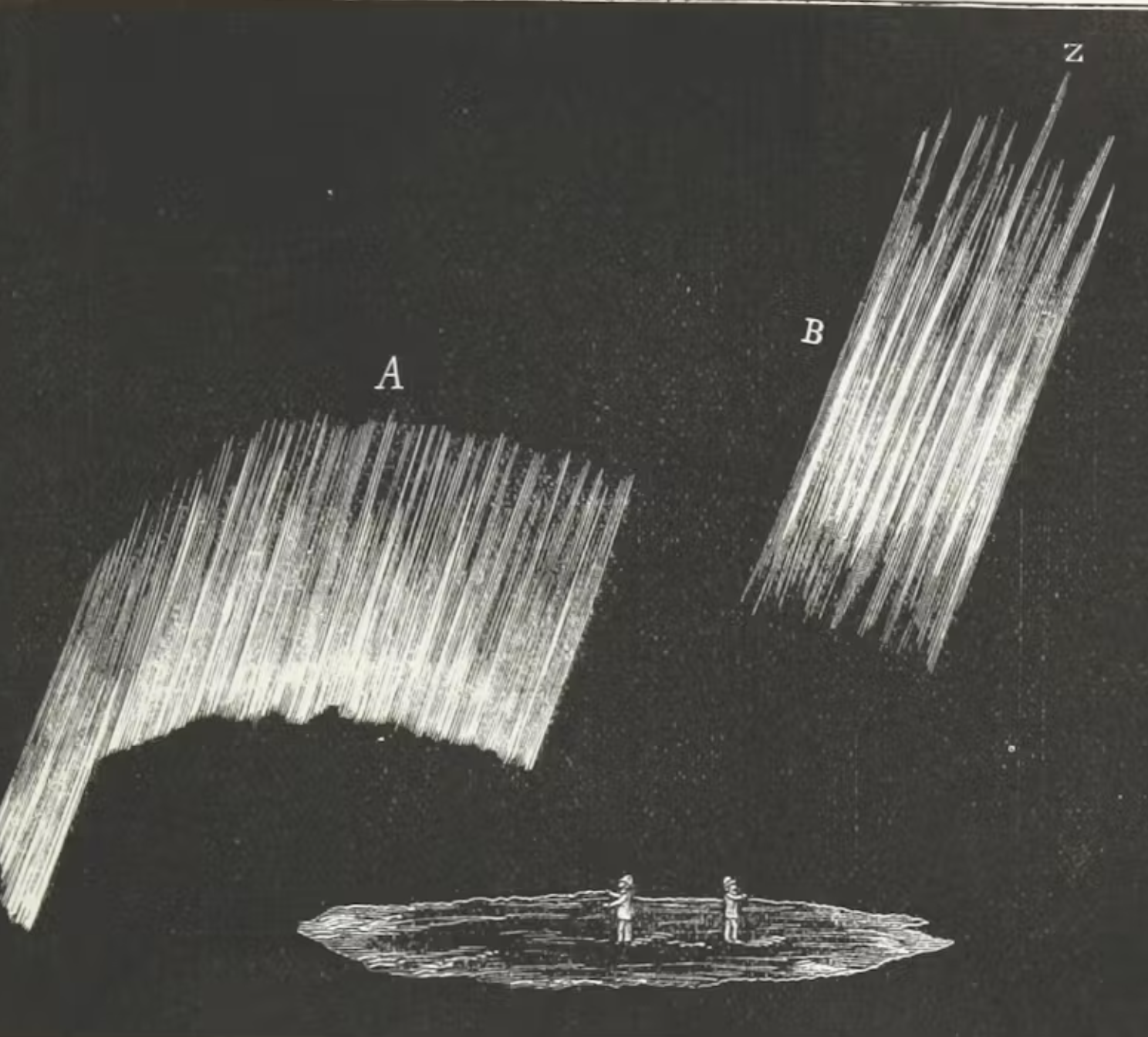
Moving at the Speed of the Problem.
-
I'm Not Blocked. I'm Avoiding Myself.